When asthma is not well controlled, a respiratory therapist can help by checking how you use your inhaler, building a written action plan with you, teaching breathing skills and guiding safe exercise. These steps support your prescribed medicine and never replace it. The virtual pulmonary rehab sessions at Bloom Medical Group are live by video and do not include prescribing. This page explains what asthma rehab involves, what the research says, and when to get help right away.
What does “not well controlled” asthma look like?
The National Heart, Lung, and Blood Institute (NHLBI) quick reference for asthma care says that symptoms or quick-relief inhaler use on more than 2 days a week generally indicates inadequate control and the need to step up treatment. (NHLBI, Asthma Care Quick Reference) The same guide says that before treatment is increased, a clinician should first review adherence to medicine, inhaler technique and environmental control. That is where rehab and breathing care can add something useful, because those are skills that are taught and practiced.
Your doctor decides whether your asthma is controlled and which medicines you take. If you think yours is not controlled, tell your doctor.
What is asthma rehab?
Asthma rehab is pulmonary rehabilitation for adults with asthma. It combines supervised exercise, breathing skills and education about your condition. Bloom does not claim it is a new treatment. It is an established approach, and it sits next to your medicines, your triggers plan and your follow-up visits. For a broader look at who it suits, see our page on pulmonary rehab for severe asthma.
What does the research say about rehab for asthma?
A 2022 Cochrane review compared pulmonary rehabilitation with usual care in adults with asthma. It concluded that moderate certainty evidence shows pulmonary rehabilitation is probably associated with clinically meaningful improvements in functional exercise capacity and quality of life when a program is completed. It also found that pulmonary rehabilitation appears to have a minimal effect on asthma control, although the certainty of that evidence is very low to low. (Cochrane review, Osadnik et al., 2022) The authors noted that unclear reporting of study methods and small sample sizes limit how sure we can be.
In plain words, rehab may help you do more and feel better day to day. It should not be sold as a way to fix asthma control on its own.
How can a respiratory therapist help?
Here are the areas where a licensed respiratory therapist typically works with adults who have asthma. At Bloom, rehab sessions are run by licensed respiratory therapists and clinical exercise physiologists.
1. Reviewing your inhaler technique
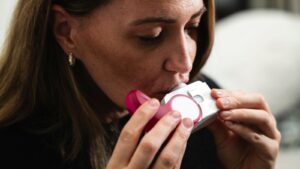
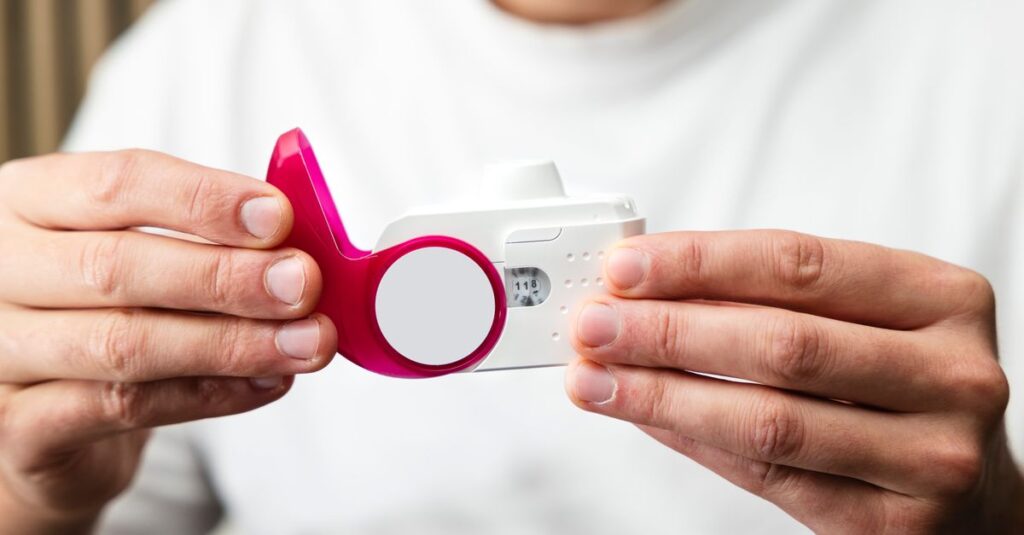
NHLBI says to review medicines, technique and adherence at each follow-up visit. (NHLBI) In a video session, a therapist can watch you use your inhaler and talk through each step. Bring your devices to the session.
2. Building a written asthma action plan with you
MedlinePlus says an asthma action plan is a written document that should include instructions for taking your medicines when you are stable, a list of triggers and how to avoid them, and how to recognize when your asthma is getting worse, what to do and when to contact your provider. (MedlinePlus, Asthma) Your doctor owns the medicine part of the plan. A therapist can help you understand it, practice it and keep it where you will use it.
3. Teaching breathing skills
A 2020 Cochrane review of breathing exercises for adults with asthma concluded that breathing exercises may have some positive effects on quality of life, hyperventilation symptoms and lung function, and it rated the certainty of the evidence from moderate to very low. (Cochrane review, Breathing exercises for adults with asthma, 2020) We cover the techniques in our guide to breathing exercises for asthma.
4. Planning safe exercise
Many people with asthma avoid activity because it brings on symptoms, then lose fitness, then get breathless sooner. Rehab uses graded exercise that is planned around you and adjusted as you go. Your doctor should clear you before you begin.
5. Helping you plan around triggers
NHLBI recommends multifaceted approaches to control the exposures a patient is sensitive to, and says to advise all asthma patients to avoid exposure to tobacco smoke. (NHLBI) MedlinePlus lists common triggers such as pet dander, dust mites, changes in weather, physical activity and strong emotions. (MedlinePlus) A therapist can help you spot which of these show up in your own days.
What Bloom does and does not do
- Every rehab session is one on one, with an individualized treatment plan, and we meet every patient where they are.
- Sessions are live by video from home, run by licensed respiratory therapists and clinical exercise physiologists, and billed to commercial insurance.
- Education sessions about your condition may include other patients.
- Bloom does not prescribe medicine. Your medicines stay with your own doctor.
- Bloom is not able to accept Medicare at this time.
Coverage depends on your plan. Our guide on whether insurance covers pulmonary rehab lists the questions to ask your insurer.
Your asthma action plan zones
The American Lung Association action plan form uses three zones. Green Zone: Doing Well means breathing is good, with no cough or wheeze. Yellow Zone: Caution means some problems breathing, such as cough, wheeze or a tight chest. Red Zone: Get Help Now means lots of problems breathing, getting worse instead of better, or medicine not helping. (American Lung Association, My Asthma Action Plan) Fill in the form with your doctor so the steps match your own medicines.
When to get help right away
The American Lung Association asthma action plan says to call 911 immediately if you have trouble walking or talking due to shortness of breath, if your lips or fingernails are blue, or if you are still in the red zone after 15 minutes. (American Lung Association) MedlinePlus says to go to the emergency room or call Emergency Medical Services right away for severe shortness of breath at rest or a bluish color to the lips and face. (MedlinePlus) Rehab is not an emergency service. Never wait for a session if you are having an asthma attack.
Frequently asked questions
A respiratory therapist can teach inhaler technique, breathing skills, action plan use and safe exercise, which support the care your doctor directs. At Bloom, respiratory therapists do not prescribe medicine. Your doctor decides your medicines.
No. Rehab works alongside your prescribed medicine and never replaces it. Keep using your inhalers as your doctor directed and ask your doctor before changing anything.
A 2022 Cochrane review found that pulmonary rehabilitation probably improves exercise capacity and quality of life in adults with asthma, but appears to have a minimal effect on asthma control, with very low to low certainty evidence.
Yes. Bloom sessions are live by video from home. Every rehab session is one on one, and each patient gets an individualized treatment plan.
Bloom rehab sessions are run by licensed respiratory therapists and clinical exercise physiologists. Education sessions about your condition may include other patients.
Coverage depends on your plan and diagnosis. Bloom bills commercial insurance, so call your insurer or call Bloom at 1-866-972-8228 to check. Bloom is not able to accept Medicare at this time.
The American Lung Association says to call 911 immediately if you have trouble walking or talking due to shortness of breath, blue lips or fingernails, or you are still in the red zone after 15 minutes.
Next step
Not sure whether rehab fits you? Take our free 2 minute lung health assessment.
Ready to talk? Call 1-866-972-8228 or fill out the see if you qualify form.
This article is for education only and is not medical advice. Talk with your doctor about what is right for you.