Safe starter exercises at home for people with lung disease are usually short walks, gentle stretching and light strength work, started slowly and cleared with your doctor first. A supervised virtual pulmonary rehab program adds a safety check before you begin, a plan built around you, and a team that adjusts it as you get stronger. This guide covers what the American Lung Association, the American Thoracic Society and MedlinePlus say about getting started, and what a supervised program adds.
Talk with your doctor before you start
The American Lung Association says to talk with your healthcare provider before starting an exercise program and to discuss the best exercise goals for you. It also suggests asking which activities to avoid and what steps to take if you start to have symptoms. (American Lung Association, Physical Activity and COPD)
This matters because lung conditions differ. A plan that suits someone with mild COPD may not suit someone with moderate to severe asthma or pulmonary fibrosis. The American Thoracic Society notes that people in a pulmonary rehab program are evaluated before they begin to make sure they can exercise safely, and that this typically includes a walking test. (American Thoracic Society, Pulmonary Rehabilitation)
What kinds of exercise do people with lung disease do?
The American Lung Association describes three main types for people living with COPD. (American Lung Association) The American Thoracic Society says a rehab exercise program usually builds both strength and endurance. (American Thoracic Society)
Stretching
Stretching relaxes you and improves your flexibility, according to the American Lung Association.
Aerobic exercise
Walking, biking and swimming are the examples the American Lung Association gives. For a first week at home, a short walk is the simplest place to begin.
Resistance (strength) exercise
The American Lung Association says resistance training makes all your muscles stronger, including the ones that help you breathe. The American Thoracic Society says rehab strength work generally uses weights, elastic bands or lifting devices. Ask your care team which of these, if any, is right for you.
How to start: slow, short and steady
MedlinePlus advises starting slow. You may only be able to walk a short distance at first, and over time you should be able to go longer. It suggests aiming to exercise for at least 15 minutes, 3 times a week, and says that if you become winded you should slow down and rest. (MedlinePlus, Day to day with COPD)
The American Lung Association says that, in general, moderate exercise for people living with COPD may be 20 to 30 minutes, three to four days a week, and that if you do not exercise regularly you should gradually increase the amount of time. Notice that the two sources give different targets. That is one reason your own plan should come from your care team and not from a single number.
Breathe out on the hard part of the move
The American Lung Association gives a simple breathing habit for exercise: breathe in before you start the movement, breathe out through the most difficult part of the movement, and purse your lips while breathing out. It also says to take slow breaths and pace yourself, and not to overdo it as you get started. (American Lung Association)
Our companion video walks through this skill step by step. If breathlessness builds while you move, our guide on what to do when you feel short of breath explains what to try.
When to stop and call your provider
The American Lung Association says not to exercise if you have increased shortness of breath or worsening of other COPD related symptoms, or if you feel dizzy, weak or unsteady, and to contact your provider right away if you have any of these symptoms.
MedlinePlus lists signs that mean you should stop and call during exercise: pain in your chest, neck, arm or jaw, feeling sick to your stomach, or feeling dizzy or lightheaded. It also says to contact your provider if your breathing is getting harder, is faster than before, or is shallow so that you cannot get a deep breath, or if you cannot speak more than a few words without getting short of breath. (MedlinePlus, Day to day with COPD) For emergency symptoms, follow the guidance your doctor has given you.
What a supervised program adds
The American Thoracic Society calls the exercise sessions the cornerstone of pulmonary rehab. Compared with going it alone, it describes these pieces. (American Thoracic Society) MedlinePlus adds that your team will come up with an exercise plan to improve your endurance and muscle strength and teach you techniques to improve your breathing. (MedlinePlus, Pulmonary Rehabilitation)
- A safety check first. You are evaluated before you begin, and the program typically asks you to complete a walking test.
- An exercise program prepared just for you, starting at a level you can handle.
- Gradual progress. The time and intensity of exercise are increased based on your ability.
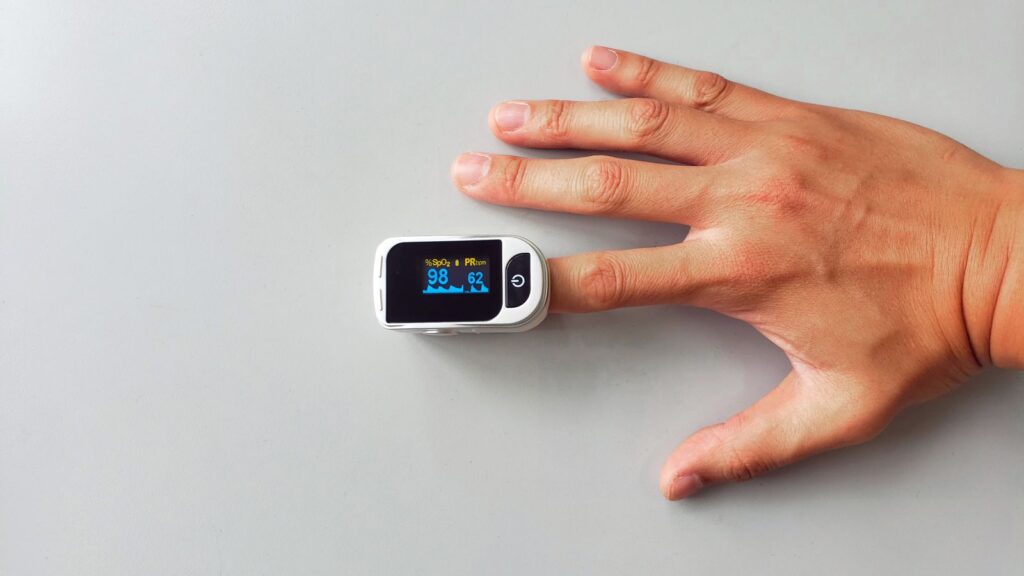
- Monitoring. In the setting the society describes, your oxygen level and heart rate are monitored and your breathlessness guides the intensity.
- A plan for later. From the beginning, staff help create an exercise program you can keep up at home after rehab, and the society says it is extremely important to keep exercising after you finish.
How Bloom Medical Group does it
Bloom delivers online pulmonary rehab one on one. Education sessions about your condition may include other patients. Each patient gets an individualized treatment plan, and we meet every patient where they are. Sessions are live by video, billed to commercial insurance, and run by licensed respiratory therapists and clinical exercise physiologists. Bloom is not able to accept Medicare at this time.
To see how a visit works, read what happens in a pulmonary rehab session. To compare formats, see group vs one on one pulmonary rehab and pulmonary rehab vs exercising on your own. If you have COPD, our guide to exercises for COPD goes deeper on starting safely.
Frequently asked questions
Common choices are short walks, gentle stretching and light resistance work, started slowly. The American Lung Association lists stretching, aerobic exercise such as walking, biking or swimming, and resistance training. Talk with your doctor first about which are right for you.
Sources give different targets. MedlinePlus suggests at least 15 minutes, 3 times a week, starting slow. The American Lung Association says moderate exercise may be 20 to 30 minutes, three to four days a week, building up gradually. Your care team should set your plan.
The American Lung Association suggests breathing in before you start the movement, breathing out through the most difficult part, and pursing your lips while you breathe out.
The American Lung Association says not to exercise if you have increased shortness of breath or feel dizzy, weak or unsteady, and to contact your provider right away. MedlinePlus lists chest, neck, arm or jaw pain, feeling sick to your stomach, and feeling dizzy or lightheaded as reasons to stop and call.
Yes. Bloom provides one on one pulmonary rehab by live video with licensed respiratory therapists and clinical exercise physiologists, billed to commercial insurance. Bloom is not able to accept Medicare at this time.
Next step
Not sure whether rehab fits you? Take our free 2 minute lung health assessment.
Ready to find out if you qualify? Call Bloom Medical Group at 1-866-972-8228 or fill in the see if you qualify form. One-on-one virtual pulmonary rehab with licensed respiratory therapists and clinical exercise physiologists, billed to commercial insurance.
This article is for education only and is not medical advice. Talk with your doctor about what is right for you.