Most people put off pulmonary rehab because they do not know what they are signing up for. They picture a gym, or a hospital ward, or being asked to do something their lungs cannot do.
Here is what a session actually involves.
The short version
Pulmonary rehabilitation is two things running together: supervised exercise that is prescribed to your current ability, and education about managing your own condition. Programs typically meet two to three times a week and run anywhere from four to twelve weeks or more.
The exercise is not the kind you would design for yourself. It starts where you are, including seated if that is where you are, and it goes up only when your response says it should.
What the first session looks like
The first session is mostly assessment. Somebody needs to establish a baseline before prescribing anything, so expect questions about what you can currently do, what stops you, what medications you take and how you take them, and what a bad day looks like for you.
That last question matters more than people expect. A program built around your best day will not survive contact with your worst one.
What a typical session looks like after that
- A check in. How the last session went, how you have been since, anything that changed. Oxygen saturation and heart rate get noted before you start.
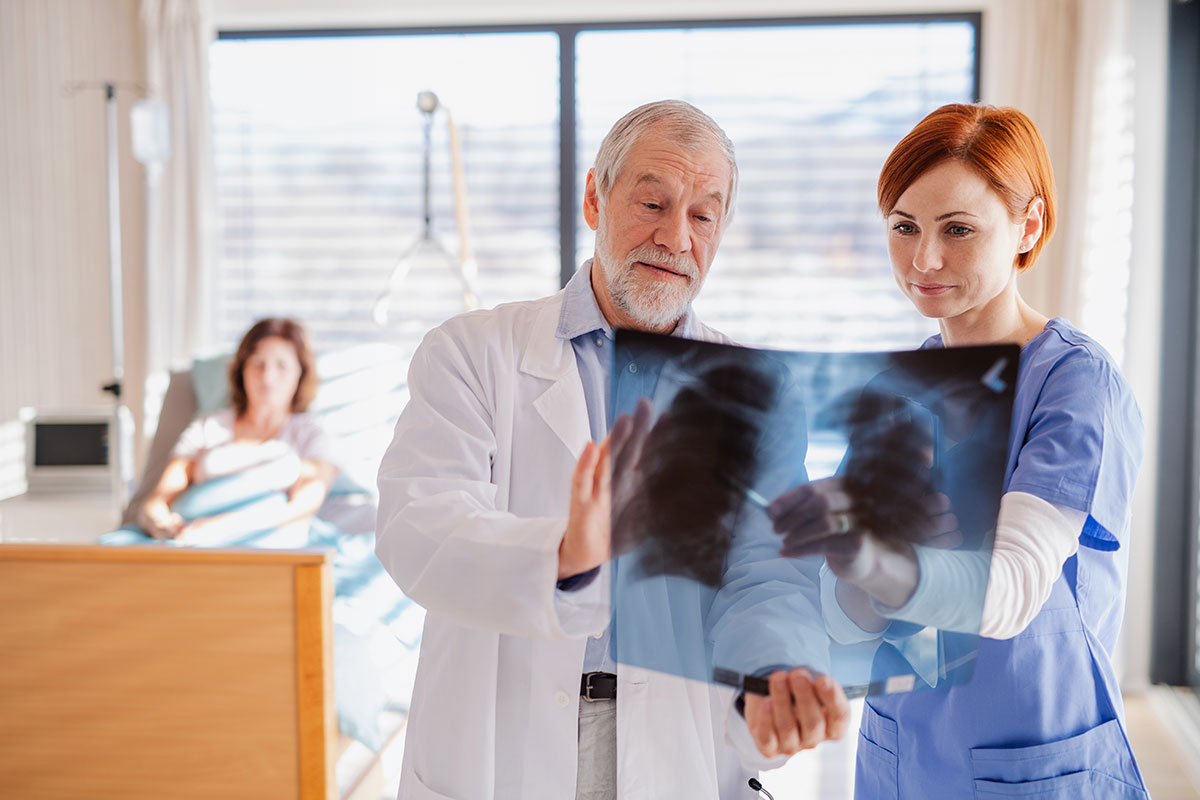
- Exercise, monitored. A mix of work that builds endurance and work that builds strength. Your oxygen is watched while you do it, which is the entire reason this is supervised rather than something you do from a video.
- Breathing work. Techniques like pursed lip breathing, practised while you are calm so the reflex is there when you need it.
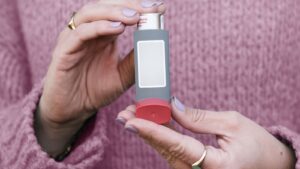
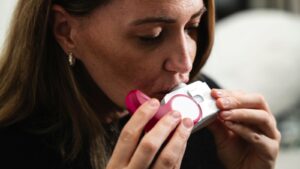
- Education. Inhaler technique, pacing, recognising an exacerbation early, and what to do about it. This part quietly saves people hospital visits.
- The adjustment. Based on how you responded, next session changes. This is the part that makes it rehabilitation rather than exercise.
What it does not look like
You are not going to be pushed to exhaustion. Breathlessness during exercise is expected and it is not dangerous in a monitored setting, but the point is graded progression, not proving something.
You are also not going to be handed a program and left to it. If nobody is adjusting the load based on how you responded, whatever you are doing is not pulmonary rehabilitation, whatever it is being called.
Why attendance matters more here than in a gym
The American Thoracic Society is blunt about this: because staff are constantly monitoring progress and increasing exercise as you are able, attending every session matters.
The progression is built on a chain of observations. Miss several and the person prescribing your next session is working from stale information, so they either hold you back or push you somewhere you are not ready for. Neither helps.
This is also the practical argument for doing it from home. The most common reason people drop out of hospital based programs is not motivation. It is that the sessions run on weekday mornings across town and life eventually wins.
Frequently asked questions
Yes. Programs are designed to start at your current ability, including seated exercise. Being very limited at the start is a reason to do rehabilitation, not a reason you cannot.
Sessions generally run around an hour, though this varies by program and by what is being billed.
Not usually at the start. Much of the early work uses your own body weight and a chair. If equipment would help later, that gets discussed rather than assumed.
You say so and the session changes. That is what the check in is for. A program that runs the same plan regardless of how you are doing is not being supervised in any meaningful sense.
What matters clinically is whether the exercise is prescribed to you, monitored while you do it, and adjusted afterwards by someone qualified. A virtual session with a licensed respiratory therapist doing all three is a very different thing from a video library, even though both get described as virtual.
Finding out whether you qualify
Most people are covered for this and do not know it. It takes a couple of minutes to check.
Call (866) 972-8228, or check your eligibility online. It takes a few minutes and needs no account. Read how virtual pulmonary rehab at Bloom works.
This article is general education and is not medical advice for your individual situation. Talk to your own clinician about whether pulmonary rehabilitation is right for you.