Emphysema is a type of COPD that damages the air sacs in your lungs. There is no cure, but treatment can help with symptoms, slow the disease and help you stay active (MedlinePlus). This guide walks through the main treatment options, who decides what, and where virtual pulmonary rehab fits alongside your medicines.
What is emphysema?
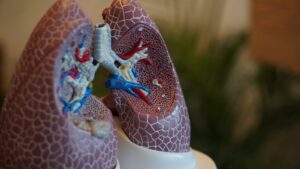
MedlinePlus explains that in emphysema the walls between many of the air sacs in the lungs are damaged, and the usual cause is long-term exposure to irritants. In the United States, cigarette smoke is the main cause. Secondhand smoke, air pollution and workplace fumes and dusts can also contribute (MedlinePlus: Emphysema).
What are the treatment options for emphysema?
Treatment is usually a combination of steps, chosen by your doctor. The National Heart, Lung, and Blood Institute lists medicines, pulmonary rehabilitation, oxygen therapy and, for some people, surgery (NHLBI: COPD treatment).
Quitting smoking and avoiding irritants
MedlinePlus calls quitting smoking “the most important step you can take to treat emphysema.” It also advises avoiding secondhand smoke and other lung irritants (MedlinePlus). If you are ready to quit, ask your doctor which supports are right for you.
Medicines
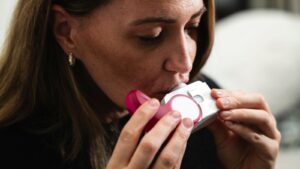
- Bronchodilators relax the muscles around your airways to help make breathing easier (NHLBI).
- Steroids help reduce inflammation or swelling in your airways (NHLBI).
- Antibiotics may be used to treat flare-ups caused by an infection (NHLBI).
- Vaccines for the flu and pneumococcal pneumonia are advised, because people with emphysema face a higher risk of serious complications from these illnesses (MedlinePlus).
Medicines are prescribed and adjusted by your doctor. Bloom does not prescribe, and nothing here is a reason to change what you take.
Oxygen therapy
Some people with emphysema use oxygen through nasal tubes or a face mask, in the hospital or at home. NHLBI warns that oxygen poses a fire risk, so you should never smoke or use flammable materials when using oxygen (NHLBI).
Surgery and transplant
Options include lung volume reduction surgery, which removes damaged lung tissue, and bullectomy, which removes very large air spaces. NHLBI says surgery usually is an option only when serious symptoms have not improved with medicines. Lung transplant is used for people with severe or advanced disease that does not respond to other treatments (NHLBI). Whether any of these is right for you is a decision for you and your specialist.
Where does pulmonary rehab fit in emphysema treatment?
Pulmonary rehabilitation sits alongside your medicines rather than replacing them. NHLBI describes it as a supervised program that covers exercise, health education and breathing techniques, and notes it can also be done by phone, web or mobile app (NHLBI). MedlinePlus lists exercise, disease management training, and nutritional and psychological counseling as parts of rehab (MedlinePlus).
What does the research say? A Cochrane review compared pulmonary rehabilitation with usual care in people with COPD. It found improvements in breathlessness-related quality of life and in walking tests, with the certainty of the evidence rated moderate for some measures and low or very low for others. The authors also noted high variation between studies, which may relate to program content, setting and COPD severity (Cochrane review). Emphysema is one type of COPD, so these findings are about COPD as a group. For more on the benefits, see our guide to the benefits of pulmonary rehab.
What rehab does not do
Rehab does not cure emphysema and does not repair damaged air sacs. The goal is to help you manage breathlessness, build strength and stamina, and feel more in control day to day.
How Bloom’s virtual rehab works
Bloom Medical Group offers online pulmonary rehab for adults with moderate to severe lung disease. Every rehab session is one on one, and each patient gets an individualized treatment plan that meets them where they are. Sessions are live by video, billed to your insurance, and run by licensed respiratory therapists and clinical exercise physiologists. Education sessions about your condition may include other patients. Not sure how coverage works? Read our guide on whether insurance covers pulmonary rehab.
Bloom is not able to accept Medicare at this time.
You need a referral from the doctor treating your lung condition. Our page on the pulmonary rehab referral explains what it should include.
When should you get emergency care?
MedlinePlus says you should get emergency care if you have severe symptoms, such as trouble catching your breath or talking. Call your health care provider if symptoms are getting worse or you have signs of infection, such as a fever (MedlinePlus). For more on telling a bad day from an emergency, see what to do when you feel short of breath.
Frequently asked questions
There is no cure for emphysema, according to MedlinePlus. Treatment can help with symptoms, slow the progress of the disease and improve your ability to stay active.
MedlinePlus says quitting smoking is the most important step you can take to treat emphysema. Your doctor can also prescribe medicines such as bronchodilators and recommend vaccines, oxygen or rehab.
Yes. NHLBI lists pulmonary rehabilitation as a COPD treatment, and emphysema is a type of COPD. It is a supervised program of exercise, education and breathing techniques that works alongside your medicines.
NHLBI notes pulmonary rehab can be done by phone, web or mobile app. Bloom offers live video rehab with one on one rehab sessions. You need a referral from your doctor first.
Bloom is not able to accept Medicare at this time. Bloom works with many commercial plans, so check your coverage with the free lung health assessment or by calling 1-866-972-8228.
NHLBI says surgery usually is an option only when serious symptoms have not improved with medicines. Your lung specialist decides whether it is right for you.
Next steps
Not sure whether rehab fits you? Take our free 2 minute lung health assessment. Ready to talk? Call 1-866-972-8228 or use the see if you qualify form and our team will check your eligibility.
This article is for education only and is not medical advice. Talk with your doctor about what is right for you.