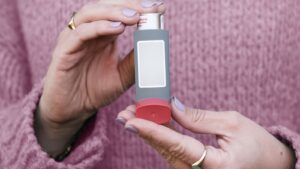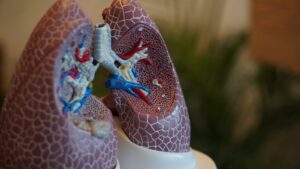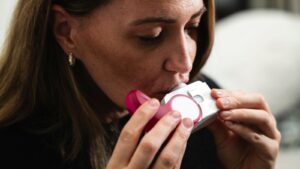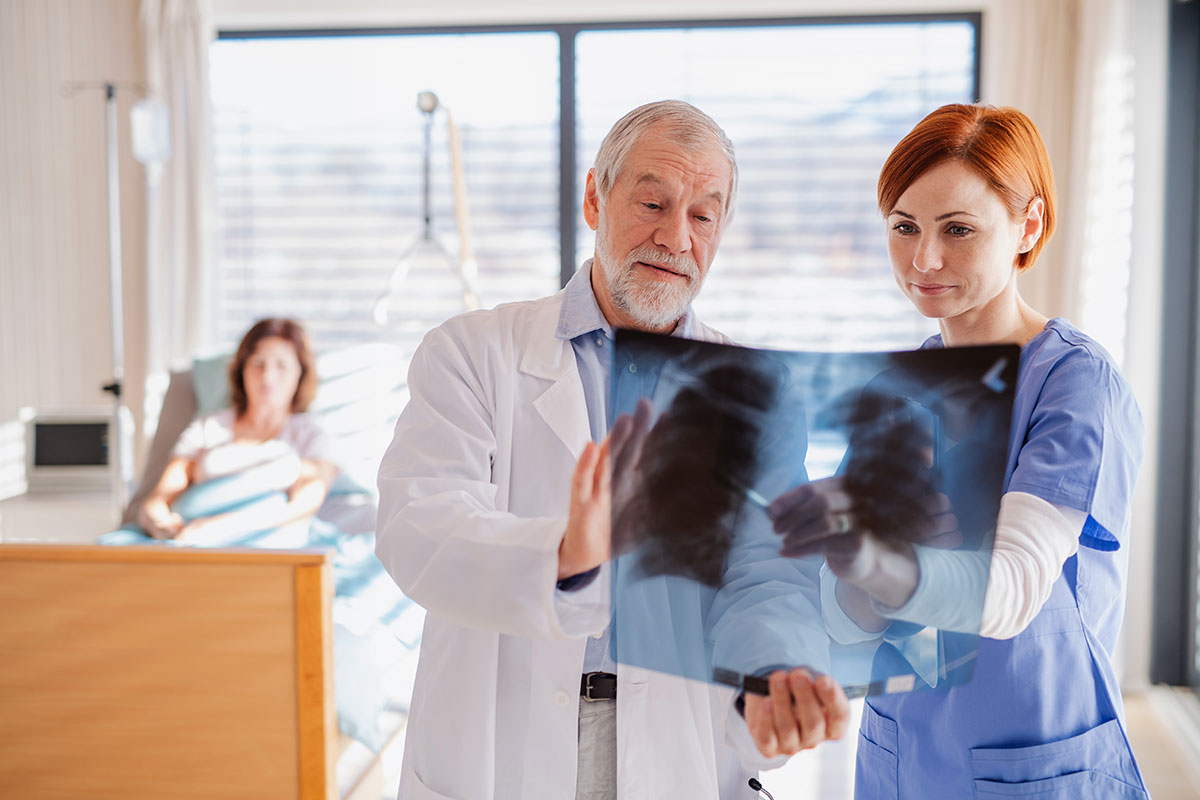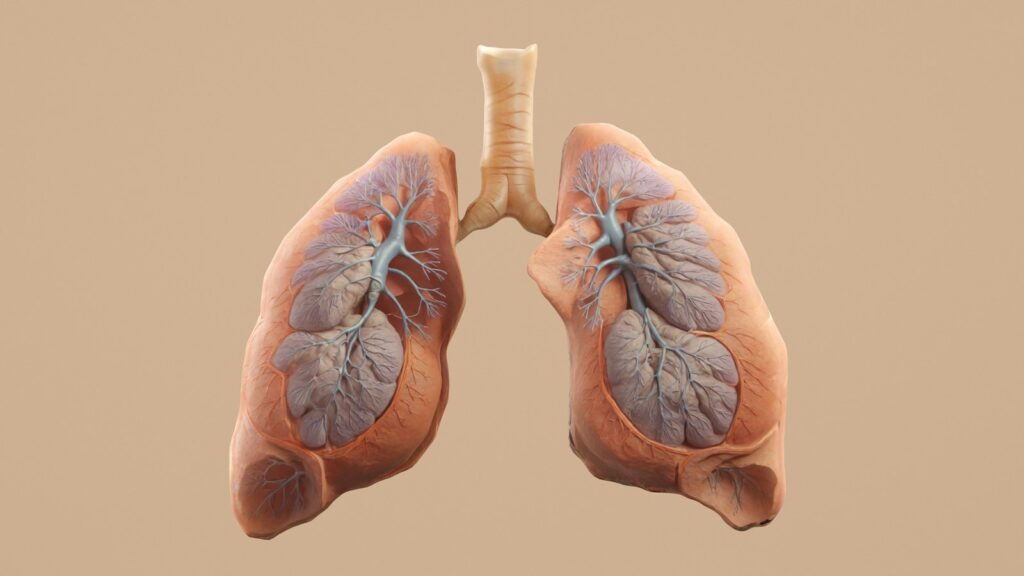
If you have COPD, inhalers are only one part of treatment. The major health sources describe a wider toolkit: quitting smoking, vaccines, pulmonary rehabilitation, oxygen when blood oxygen is low, a plan for flare-ups, and, for a smaller group of people, procedures or surgery. This guide walks through what each piece is, what the evidence says, and where each one fits.
There is no cure for COPD. As MedlinePlus puts it, treatments can help with symptoms, slow the progress of the disease and help people stay active. Your own plan should come from your doctor.
What does COPD treatment include besides inhalers?
Here is the short list, drawn from NHLBI, the American Lung Association, CDC and MedlinePlus:
- Quitting smoking for people who smoke.
- Vaccines that help prevent respiratory infections.
- Pulmonary rehabilitation: exercise training, education and breathing techniques.
- Oxygen therapy for people whose blood oxygen is too low.
- A plan for when symptoms get worse, built with your care team.
- Procedures and surgery for selected people whose symptoms do not improve with medicine.
Quitting smoking
MedlinePlus calls quitting smoking “the most important step you can take to treat COPD.” The American Lung Association adds that continued smoking can make COPD medicines less effective. Your doctor can talk with you about the support options that exist.
Vaccines
MedlinePlus recommends flu and pneumococcal pneumonia vaccines because people with COPD are at higher risk for serious problems from those infections. CDC also lists COVID-19, flu and pneumococcal vaccines as ways to help prevent respiratory illness. Ask your doctor which vaccines are right for you and when.
Pulmonary rehabilitation: what the evidence supports
NHLBI describes pulmonary rehabilitation as a supervised program that includes exercise training, health education and breathing techniques. A Cochrane review of pulmonary rehabilitation in COPD looked at 65 randomized trials with 3,822 participants. Compared with usual care, rehab improved health-related quality of life. Walking distance in the six-minute walk test rose by an average of about 44 meters, which the review describes as clinically meaningful. The authors describe the effects as moderately large and clinically significant.
NHLBI also notes that phone, web or app-based versions can be used if getting to a center is difficult. If you want to understand how that works at Bloom, see our page on virtual pulmonary rehab. At Bloom, every rehab session is one on one and live by video, with an individualized treatment plan for each patient. Sessions are run by licensed respiratory therapists and clinical exercise physiologists and billed to commercial insurance. Bloom accepts Original Medicare Part B in New Jersey and California. Education sessions about your condition may include other patients.
Want a gentler place to start? Our guides to exercises for COPD and rehab after a COPD flare-up cover safe first steps.
Oxygen therapy
Oxygen therapy is for people whose blood oxygen is too low. MedlinePlus says it is used for severe COPD with low blood oxygen, and that some people need it all the time while others need it only at certain times. NHLBI warns that oxygen poses a fire risk, so you should never smoke or use flammable materials when using oxygen. Whether you need oxygen is decided with tests, such as oximetry, and your doctor.
A plan for when symptoms get worse
Self-management programs teach people to track symptoms and act early. A Cochrane review of self-management for COPD included 27 trials with 6,008 participants. It found that self-management is associated with improvements in quality of life and a slightly lower chance of a respiratory-related hospital admission. The authors rate this evidence as low or very low quality, the quality of life gain was smaller than the review’s threshold for a meaningful change, and they say the data are still insufficient to say which parts of a program work best. They also found no difference in deaths and say these programs are unlikely to cause harm. So it is a reasonable tool, not a guarantee.
When to call your doctor or get emergency care
MedlinePlus advises calling your provider if your symptoms are getting worse or you have signs of infection such as a fever. It also says: “You should get emergency care if you have severe symptoms, such as trouble catching your breath or talking.” If that happens, call 911. For more on breathlessness, read what to do when you feel short of breath.
Procedures, surgery and transplant
NHLBI says surgery is usually considered only when serious symptoms do not improve with medicine. Options it lists include bullectomy (removing very large air spaces), stents, one-way endobronchial valves that let air leave damaged parts of the lung but not re-enter, lung volume reduction surgery and, for severe or advanced disease, lung transplant. The American Lung Association notes that not everyone is a candidate. This is a conversation for you and a lung specialist.
How the pieces fit together
Think of medicines as one layer. Rehab builds strength and breathing skills on top of them. Vaccines and not smoking lower risk. A written plan tells you what to do on a bad day. Oxygen and procedures are added for the people who need them. You can read more in our guide on what rehab can and cannot do for lung capacity.
Frequently asked questions
Inhalers are only one part of COPD care. Health sources also describe quitting smoking, vaccines, pulmonary rehabilitation, oxygen therapy when blood oxygen is low, and procedures or surgery for selected people. Do not stop or change any prescribed medicine without talking with your doctor.
For people with COPD who smoke, MedlinePlus calls quitting smoking the most important step you can take to treat COPD. CDC says the most important part of treatment is to stop smoking.
A Cochrane review of 65 randomized trials with 3,822 participants found that pulmonary rehabilitation improved health-related quality of life and walking distance compared with usual care in people with COPD.
Oxygen therapy is for people whose blood oxygen is too low. Your doctor decides this using tests such as oximetry. Never smoke or use flammable materials when using oxygen.
No. MedlinePlus says there is no cure for COPD, but treatments can help with symptoms, slow the progress of the disease and help people stay active.
MedlinePlus says you should get emergency care if you have severe symptoms, such as trouble catching your breath or talking. If that happens, call 911.
Next steps
Not sure whether rehab fits you? Take our free 2 minute lung health assessment. You can also call 1-866-972-8228 or use the see if you qualify form. Bloom accepts Original Medicare Part B in New Jersey and California. Our programs are for people with commercial insurance; see does insurance cover pulmonary rehab.
This article is for education only and is not medical advice. Talk with your doctor about what is right for you.
Sources
- National Heart, Lung, and Blood Institute. COPD Treatment.
- American Lung Association. Treating COPD.
- MedlinePlus. COPD.
- CDC. About COPD.
- Cochrane. Pulmonary rehabilitation for people with chronic obstructive pulmonary disease (COPD).
- Cochrane. Self-management interventions for people with chronic obstructive pulmonary disease.