One-on-one pulmonary rehab fits many people because the plan, the pace and the coaching are built around one person at a time. It tends to suit people whose breathing changes from day to day, people with asthma or more than one condition, people who work, and people who would rather not exercise in front of a group. We could not find research showing that either one-on-one or group sessions work better for everyone, so this is a question of fit, not a ranking. This page explains who benefits, what the research does and does not say, how to tell whether a program is really one-on-one, and what to ask about asthma flares.
What does one-on-one pulmonary rehab mean?
In a one-on-one program, your exercise sessions are just you and one clinician, who can slow down, shorten or change the session as you go. The American Thoracic Society describes pulmonary rehab as a treatment program made up of individualized exercise, education and support, and says your oxygen level and heart rate will be monitored. The same page says the education part may happen in a classroom, in a virtual group or one-on-one. (American Thoracic Society, Pulmonary Rehabilitation) The American Lung Association says its classes are offered in a group setting. (American Lung Association, Pulmonary Rehabilitation)
Individualized and one-on-one are not the same thing. A group class can still give each person their own exercise plan, and the American Thoracic Society says staff prepare an exercise program just for you. One-on-one describes who is in the session with you. See our page on group or one-on-one pulmonary rehab for a side by side look.
Who tends to benefit from one-on-one sessions?
Both formats work for many people. One-on-one tends to fit when:
- Your breathing changes from day to day. A session with one clinician can be slowed, shortened or changed on a hard day.
- You have asthma, or asthma plus another condition. Triggers, inhaler routines and limits differ from person to person. See pulmonary rehab for severe asthma.
- You work or care for someone. A one-on-one visit can usually be booked around your day instead of a fixed class time. See pulmonary rehab while working full time.
- You feel nervous exercising in front of others. Some people hold back in a group because they do not want to be the one who stops first.
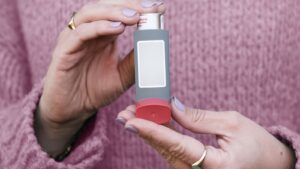
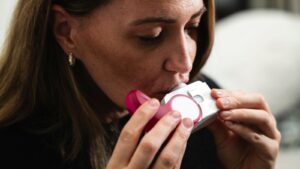
- You want your inhaler technique and action plan reviewed closely. A clinician who is watching only you can see how you use your inhaler and adjust the plan with you.
Group formats have real strengths too. You may like the company of others with the same diagnosis, or a set weekly class time that helps you build a habit.
What does the research say?
The strongest evidence supports pulmonary rehab itself. A Cochrane review of 65 randomized trials with 3,822 people with COPD concluded that pulmonary rehab improves health-related quality of life and exercise capacity. (Cochrane review, McCarthy et al., 2015) The summary does not say that one way of delivering rehab works better than another.
Research on individualized training is smaller. In a 2014 trial, 61 people with COPD were randomly assigned to weekly gym-based training tailored to each person, or to weekly group calisthenics. Only the individualized group showed a significant change in six-minute walk distance, an average gain of about 32 meters. The authors concluded that a low frequency outpatient program may bring modest gains in exercise capacity and muscle mass only if the training is individualized. (Greulich et al., Respiratory Research, 2014) The trial was small, 44 percent of participants dropped out, and it compared individualized with non-individualized training, not one-on-one with group sessions.
Put together, the research supports rehab built around the person. It does not show that a one-on-one session beats a well-run group for every person, so ask any program, including ours, what evidence supports its claims.
How can you tell a program is really one-on-one?
Programs use words like live, personal and individualized in different ways. These questions make the format clear:
- How many people are on the screen, or in the room, during my exercise sessions?
- Who is my clinician each time, and what is their license?
- Is every session live, or are some recorded or app based?
- Will the clinician watch my oxygen level and heart rate while I exercise?
- Who teaches and checks my inhaler technique, and who reviews my asthma action plan with me?
- What happens if I have a flare or feel too short of breath during a session?
- How will my own doctor hear about my progress?
Our guide to choosing a virtual pulmonary rehab program has the full list, with what a good answer sounds like.
What should happen if you have an asthma flare during a session?
Your written asthma action plan should say what to do. The NHLBI says your healthcare provider will probably prescribe a quick-relief inhaler for you to carry at all times. (NHLBI, Asthma treatment and action plan) MedlinePlus says to go to the emergency room or call emergency medical services right away for symptoms such as severe shortness of breath at rest, extreme difficulty breathing, bluish color to the lips and face, severe chest pain, drowsiness or confusion, a rapid pulse, or a peak flow measurement of less than 50% of your personal best. (MedlinePlus, Asthma) Before you start any program, ask who you would call and what the clinician would do if your breathing got worse during a session. Your own doctor sets your asthma treatment, and a program should never tell you to change or stop your prescribed medicine.
How Bloom does one-on-one pulmonary rehab
Every Bloom rehab session is one-on-one and live by video with a licensed respiratory therapist or clinical exercise physiologist, on a plan built around you. Education sessions about your condition may include other patients. Bloom works alongside your own doctor, and a referral from that doctor is needed to start. Bloom treats COPD, moderate to severe asthma, interstitial lung disease, pulmonary fibrosis and long COVID breathing problems, and confirms insurance coverage before you begin. See what happens in a pulmonary rehab session for what a typical session involves.
Frequently asked questions
It is pulmonary rehab where your exercise sessions are just you and one clinician. The American Thoracic Society describes pulmonary rehab as individualized exercise, education and support, and says education may happen in a classroom, in a virtual group or one-on-one.
We could not find research showing that either format works better for everyone. The best evidence supports pulmonary rehab itself. One-on-one tends to fit people whose symptoms change, who have asthma, or who need a flexible schedule, while group classes suit people who like company and a set routine.
People whose breathing changes from day to day, people with asthma or more than one condition, people who work or care for others, and people who feel nervous exercising in front of a group may prefer it. Your own doctor can help you decide.
Ask how many people are in each exercise session, who the clinician is and what license they hold, and whether sessions are live. Ask who checks your inhaler technique and what happens if you have a flare during a session.
Yes. Every Bloom rehab session is one-on-one and live by video with a licensed respiratory therapist or clinical exercise physiologist. Education sessions about your condition may include other patients. You can call 1-866-972-8228 to check your plan.
Coverage depends on your plan and on the program. Bloom bills commercial insurance and accepts Original Medicare Part B in New Jersey and California, and confirms coverage before you start.
Next step
Not sure whether rehab fits you? Take our free 2 minute lung health assessment.
Ready to find out if you qualify? Call Bloom Medical Group at 1-866-972-8228 or fill in the see if you qualify form. One-on-one virtual pulmonary rehab with licensed respiratory therapists and clinical exercise physiologists, billed to commercial insurance. Read how virtual pulmonary rehab at Bloom works.
This article is for education only and is not medical advice. Talk with your doctor about what is right for you.
Sources
- American Thoracic Society. Pulmonary Rehabilitation (patient resource)
- American Lung Association. Pulmonary Rehabilitation
- MedlinePlus. Pulmonary Rehabilitation
- McCarthy B, et al. Pulmonary rehabilitation for chronic obstructive pulmonary disease. Cochrane Database Syst Rev. 2015;(2):CD003793
- NHLBI. Asthma: Treatment and action plan
- MedlinePlus. Asthma (medical encyclopedia)
- Greulich T, et al. A randomized clinical trial to assess the influence of a three months training program (Gym-based individualized vs. Calisthenics-based non-individualized) in COPD-patients. Respir Res. 2014;15:36