If you have COPD, asthma or another lung disease, smoky air can turn an ordinary day into a stressful one. This guide gives you a plan for wildfire smoke and other bad air quality days: how to read the air quality number, how to set up one cleaner room at home, what the major health agencies say about masks, and which symptoms to take seriously. Everything here comes from pages we opened and read, and we link each one.
The short answer
Check the air quality for your area, stay indoors with doors and windows closed when it is poor, and follow the action plan you made with your doctor. The American Lung Association: Wildfires page says people with asthma, COPD or other lung diseases are at higher risk from smoke and should talk with a doctor about preparing. The AirNow: Be Smoke Ready page also lists people with lung disease such as asthma and COPD among those most at risk. If you want to know how a rehab program fits around your daily life, read about virtual pulmonary rehab on our main page.
Why smoke is hard on lungs that already struggle
The CDC: About Wildfire Smoke page says smoke irritates your eyes, nose, throat and lungs, and that it can make it hard to breathe and make you cough or wheeze. It says people with asthma, COPD, heart disease, diabetes or chronic kidney disease need to be especially careful about breathing wildfire smoke. The AirNow: Be Smoke Ready page adds a reassuring note for most healthy adults and children, who will usually have relatively minor effects such as respiratory irritation. The point of a plan is that your lungs may not be in that group.
Step 1: Know your air quality number
The Air Quality Index, or AQI, is the number AirNow uses to tell you how clean or polluted the air is. The AirNow: AQI Basics page lists these categories:
- Green, Good (0 to 50): air pollution poses little or no risk.
- Yellow, Moderate (51 to 100): air quality is acceptable, but there may be a risk for some people.
- Orange, Unhealthy for Sensitive Groups (101 to 150): members of sensitive groups may experience health effects, and the general public is less likely to be affected.
- Red, Unhealthy (151 to 200): some members of the general public may experience health effects, and sensitive groups may experience more serious effects.
- Purple, Very Unhealthy (201 to 300): the risk of health effects is increased for everyone.
- Maroon, Hazardous (301 and higher): a health warning of emergency conditions, and everyone is more likely to be affected.
AirNow says that when the AQI is above 100, the air is unhealthy at first for certain sensitive groups of people, then for everyone as the values get higher. During a fire, the AirNow Fire and Smoke Map shows fine particle pollution (PM2.5) from wildfires and other sources. Many people also sign up for local air quality alerts from their state or local agency, which the AirNow: Be Smoke Ready page suggests.
Step 2: Get ready before smoke arrives
The AirNow: Be Smoke Ready page says it is important to prepare now, because supplies may run out once smoke arrives. Here is what the pages we read recommend:
- Talk with your doctor. Both the American Lung Association: Wildfires page and the CDC: Wildfire Smoke and People with Chronic Conditions page advise making a plan with your healthcare provider.
- Know your action plan. The American Lung Association: Wildfires page says people with asthma can follow their asthma action plan and people with COPD can follow their COPD action plan, developed with their physician. It also says to use a peak flow meter if one was prescribed.
- Stock your medicine. The CDC: Wildfire Smoke and People with Chronic Conditions page suggests a 7 to 10 day supply of prescription medicines in a waterproof, childproof container to take if you evacuate. The EPA: Create a Clean Room to Protect Indoor Air Quality During a Wildfire page says to have at least a 5 day supply of food and medication on hand.
- Do not change your oxygen on your own. The American Lung Association: Wildfires page says people on oxygen should not adjust their intake before consulting a physician.
- Choose food that needs no cooking. The CDC: Wildfire Smoke and People with Chronic Conditions page notes that frying or grilling can make indoor air pollution worse.
Step 3: Set up a clean air room
The EPA: Create a Clean Room to Protect Indoor Air Quality During a Wildfire page describes a clean room as a way to keep smoke and particles as low as possible in at least one room of your home. It says anyone can benefit and that it may be most helpful for children, older adults and people with heart disease or breathing problems. It also says that if you have heart or lung disease, including asthma, you should check with your healthcare provider about what to do during smoke events.
How to set it up
- Pick one room you can close off, and keep its doors and windows closed.
- Use a portable air cleaner that is the right size for the room, and run it continuously on the highest fan setting if you can. The EPA and AirNow both say to pick one that does not produce ozone.
- If you have central heating and cooling, the EPA: Create a Clean Room to Protect Indoor Air Quality During a Wildfire page says to use a MERV 13 or higher filter if your system can take it, and to set the fan to On rather than Auto. The American Lung Association: Wildfires page says to run air conditioners on recirculation.
- If you cannot find or afford an air cleaner of known performance, the EPA describes a do it yourself option using a box fan, and says to use it only when other products are not available or affordable.
What to keep out of the room
The EPA: Create a Clean Room to Protect Indoor Air Quality During a Wildfire page lists indoor sources of particles to avoid, including smoking and vaping, gas or wood stoves, aerosol sprays, frying, candles, and vacuuming unless the vacuum has a HEPA filter. The same page says that if you cannot stay cool at home, the power goes out, or too much smoke is still getting in, it may be best to shelter elsewhere.
Masks: what the sources say
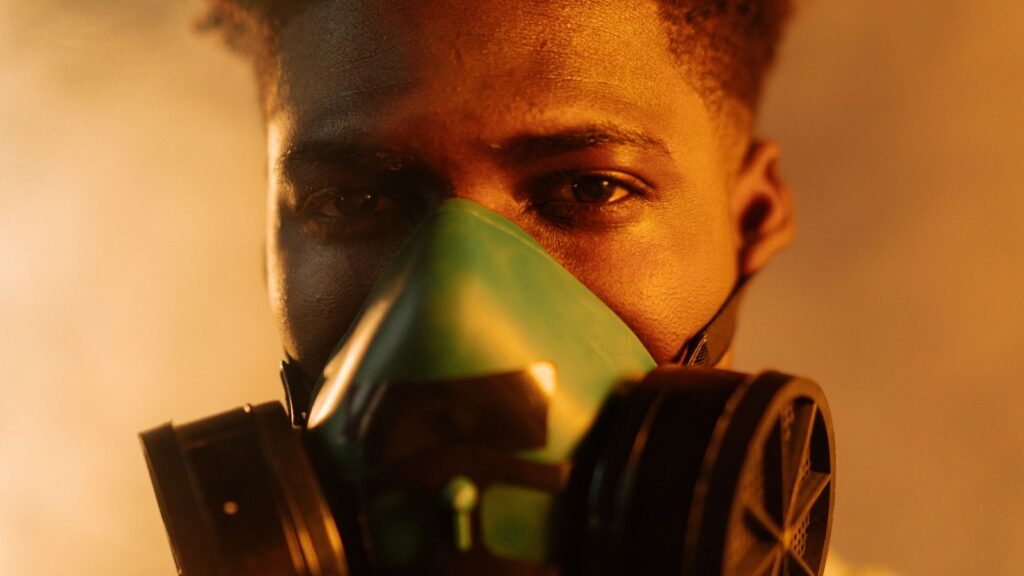
This is a place where people often get mixed messages, so here is what each page says. The American Lung Association: Wildfires page says ordinary dust masks and cloth facial coverings will not help, because they still allow the more dangerous smaller particles to pass through. It says N-95 or N-100 masks filter fine particles but may not fit properly, are not made for children, and are difficult for some people with lung disease to use, and it says to consult your doctor before using an N95 mask if you have lung disease. The CDC: Wildfire Smoke and People with Chronic Conditions page says that if you must go outdoors during a wildfire smoke event, you should wear a NIOSH approved N95 respirator, and its guidance for children says dust masks, surgical masks, bandanas and breathing through a wet cloth will not protect a child from smoke.
Put together, the safest plan is to avoid going out in heavy smoke, and to ask your doctor before you rely on an N95 if you have COPD or asthma. A mask that does not fit well, or that makes breathing harder for you, is not helping.
Activity on smoky days
The American Lung Association: Wildfires page says not to exercise outdoors if you are near or in the smoky area, especially if you smell smoke or have eye or throat irritation. If you are in rehab or follow a walking plan, ask your care team how to adjust on bad air days. Our guides to exercises for COPD and pacing and energy conservation cover gentle ways to keep moving indoors at an easy pace.
Symptoms to watch for and when to get help
The American Lung Association: Wildfires page lists these symptoms to watch for: wheezing, shortness of breath, difficulty taking a full breath, chest heaviness, lightheadedness and dizziness. It also says the first symptoms can appear as late as 24 to 48 hours after exposure.
Here is the American Lung Association’s guidance, in its words: if problems develop, call your physician immediately, and if symptoms are not relieved by the usual medicines, seek medical attention. The page also says not to hesitate to take your medication. The CDC: Wildfire Smoke and People with Chronic Conditions page says to contact your healthcare provider if you have trouble breathing, shortness of breath, a cough that will not stop, or other symptoms that do not go away. For what to do in the moment, see our guides on what to do when you feel short of breath and how to calm asthma without an inhaler.
After the smoke clears
The CDC: Wildfire Smoke and People with Chronic Conditions page notes that smoke can stay in the air for days after fires end, so keep checking the AQI before you open windows or go back to normal activity. If you go to a shelter, it says to make sure officials know that you have COPD.
Where pulmonary rehab fits
Rehab cannot clean the air, and it is not a replacement for your action plan or your medicine. What a rehab team can do is help you practice breathing skills, learn to pace your activity, and talk through your plan so it feels familiar before a smoky day arrives. Our guide to asthma rehab with a respiratory therapist explains how that works for asthma, and what happens in a pulmonary rehab session shows what a visit looks like.
What to expect from Bloom
Bloom Medical Group runs pulmonary rehab live by video, billed to your insurance. Every rehab session is one on one, each patient gets an individualized treatment plan, and we meet every patient where they are. Sessions are run by licensed respiratory therapists and clinical exercise physiologists. Education sessions about your condition may include other patients. You need a referral from your own doctor (see whether you need a referral for pulmonary rehab), and Bloom checks your coverage before you start.
Frequently asked questions
AirNow says that when the AQI is above 100, the air is unhealthy at first for certain sensitive groups of people, then for everyone as the values get higher. AirNow and the American Lung Association both list people with lung disease among those most at risk, so ask your doctor what AQI number should change your plans.
The American Lung Association says ordinary dust masks and cloth facial coverings will not help, because they let smaller particles pass through. In its guidance for children, the CDC says dust masks, surgical masks, bandanas and breathing through a wet cloth will not protect a child from smoke.
The CDC says to wear a NIOSH approved N95 respirator if you must go outdoors during a wildfire smoke event. The American Lung Association says N95 masks may not fit properly and can be difficult for some people with lung disease to use, and it says to consult your doctor before using one if you have lung disease.
Pick one room you can keep closed, run a portable air cleaner that is the right size for the room on the highest fan setting if you can, choose one that does not make ozone, and avoid indoor sources of smoke and particles such as smoking, vaping, frying, candles and gas or wood stoves. This follows the EPA guidance on creating a clean room.
The American Lung Association says that if problems develop you should call your physician immediately, and that if symptoms are not relieved by the usual medicines you should seek medical attention. It also says symptoms can appear as late as 24 to 48 hours after exposure.
Not sure whether rehab fits you?
Not sure whether rehab fits you? Take our free 2 minute lung health assessment. It takes about two minutes and helps you see where you stand.
Ready to talk about next steps? Call us at 1-866-972-8228 or fill out the see if you qualify form. You can also read about online pulmonary rehab on our main page.
This article is for education only and is not medical advice. Talk with your doctor about what is right for you.