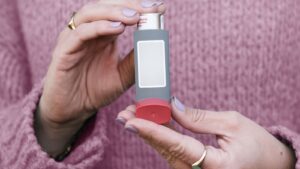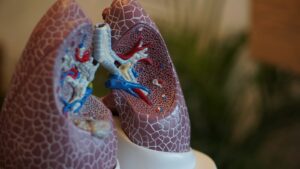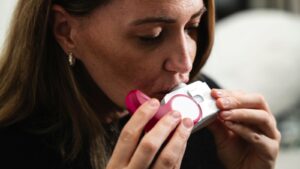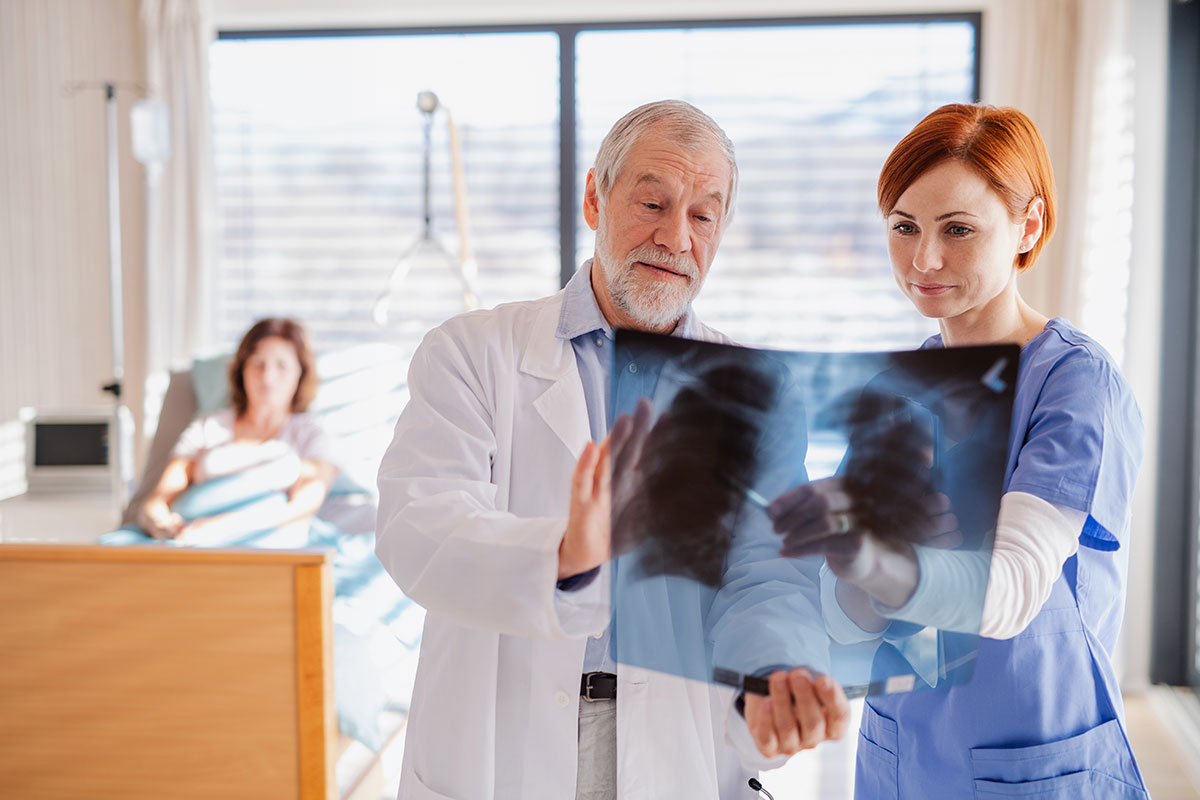
Pulmonary rehab is a treatment program of exercise, education and support for people with a long-term lung condition. The American Thoracic Society describes it as “a treatment program comprised of individualized exercise, education, and support that helps you manage your breathing problems, increase your stamina (energy), and decrease your breathlessness.” (American Thoracic Society) If your doctor just told you that you need it, this page explains what it is, who it helps, what the research says and what to expect.
What is pulmonary rehab, in plain words?
Think of it as training and coaching for people whose lungs make everyday activity hard. The American Lung Association calls it “a program of education and exercise to increase awareness about your lungs and your disease.” It does not replace your medicines or your doctor’s care. It sits next to them and teaches you how to move, breathe and plan your day so that breathlessness limits you less. (American Lung Association)
It is not a surgery, a device or a one-time class. It is a series of sessions over several weeks, built around what you can do today and what you want to get back to doing.
Who is pulmonary rehab for?
The American Thoracic Society lists these groups as people the program can help:
- COPD
- Pulmonary hypertension
- Interstitial lung disease (pulmonary fibrosis)
- Asthma
- Before and after a lung transplant
- Cystic fibrosis
- Long COVID
- People recently hospitalized for a COPD flare-up
Rehab is not only for people with COPD, and it is not only for older adults. Bloom Medical Group works with adults who have COPD, moderate to severe asthma, interstitial lung disease and pulmonary fibrosis or long COVID, and whose care is billed to commercial insurance.
What happens in a pulmonary rehab program?
Programs differ, but the American Thoracic Society lists the same core parts. You can also read a step by step look at a typical visit in what actually happens in a pulmonary rehab session.
Exercise that is matched to you
Sessions include strength and endurance training. The ATS describes the exercise as individualized, so the starting point depends on your current ability, not on a standard routine. Monitoring of oxygen levels and heart rate is part of the ATS list, and so is oxygen assessment and training.
Education and breathing skills
Education covers breathing techniques and how to manage your medicines. The ATS also lists smoking cessation support and action plans for flare-ups. At Bloom, licensed respiratory therapists and clinical exercise physiologists lead the sessions.
Support from a team
The American Lung Association says a rehab team often includes doctors, nurses, physical therapists, respiratory therapists, exercise specialists and dietitians. Many hospital programs run as group classes, which the ALA notes give you a chance to meet others and get peer support.
What does the research say about pulmonary rehab?
The strongest evidence is in COPD. A Cochrane review of 65 randomized trials with 3,822 participants concluded that “pulmonary rehabilitation relieves dyspnoea and fatigue, improves emotional function and enhances the sense of control that individuals have over their condition,” and that the improvements are “moderately large and clinically significant.” (McCarthy B, et al. Cochrane Database Syst Rev. 2015;(2):CD003793)
After a flare-up that puts you in the hospital, a separate Cochrane review of 20 trials with 1,477 participants found moderate-quality evidence that rehab reduced hospital readmissions (odds ratio 0.44, with substantial differences between trials). It found no clear effect on death, and high-quality evidence that six-minute walk distance improved by an average of 62 meters. (Puhan MA, et al. Cochrane Database Syst Rev. 2016;(12):CD005305)
Two honest limits apply. These reviews are about COPD, so what they show does not automatically carry over to every lung condition. And a program only helps if you attend and keep practicing, which is why the plan for after the program matters as much as the sessions.
Does pulmonary rehab have to happen in a hospital?
No. A Cochrane review of telerehabilitation for chronic respiratory disease concluded that it “achieves outcomes similar to those of traditional centre-based pulmonary rehabilitation, with no safety issues identified.” The authors also noted the certainty of the evidence is limited by a small number of studies with relatively few participants. (Cox NS, et al. Cochrane Database Syst Rev. 2021;(1):CD013040)
What differs between virtual programs is who delivers them and how. At Bloom, care billed to commercial insurance is one to one and live by video, with a licensed respiratory therapist or clinical exercise physiologist in each session, not a group class or a pre-recorded video library. If you want to compare formats, see group or one-on-one pulmonary rehab and whether virtual pulmonary rehab is as effective as in person. If your weekdays are full, pulmonary rehab while working full time explains the scheduling problem most working adults run into.
A first skill from rehab you can try: pursed-lip breathing
Breathing techniques are a big part of what rehab teaches. One of the simplest is pursed-lip breathing. These are the American Lung Association’s steps. (American Lung Association, Breathing Exercises)
- Breathe in slowly through your nose, keeping your mouth closed. You can count to yourself: inhale 1, 2.
- Pucker or purse your lips as if you were going to whistle or gently blow out a candle.
- Breathe out slowly and gently through pursed lips. Try to breathe out longer than you inhale. You can count: exhale 1, 2, 3, 4.
A respiratory therapist can check that you are doing it well and show you when to use it in daily life. Talk with your doctor about what is right for you. Our companion video walks through these steps with a paced demo.
How do you get started?
Pulmonary rehab starts with a referral from the doctor who treats your lung condition. Do you need a referral for pulmonary rehab? explains what the referral must include and how to ask for one. Two other questions come up right away: how long pulmonary rehab takes and whether insurance covers it.
Frequently asked questions
Pulmonary rehab is a treatment program of individualized exercise, education and support for people with chronic lung disease. The American Thoracic Society says it helps you manage your breathing problems, increase your stamina and decrease your breathlessness.
Doctors refer people with chronic lung conditions such as COPD, asthma, interstitial lung disease, pulmonary hypertension and long COVID. The American Thoracic Society also lists people recently hospitalized for a COPD flare-up. Your own doctor decides whether it fits you.
No. The American Thoracic Society lists COPD, pulmonary hypertension, interstitial lung disease, asthma, cystic fibrosis, long COVID and lung transplant care among the conditions it can help. The strongest research so far is in COPD.
A session combines exercise matched to your ability with education and breathing skills. The American Thoracic Society lists strength and endurance training, breathing techniques, medicine management, oxygen and heart rate monitoring, and action plans for flare-ups.
Yes, through telerehabilitation. A Cochrane review concluded that telerehabilitation achieves outcomes similar to centre-based rehab with no safety issues identified, though the evidence comes from a small number of studies. At Bloom, a licensed respiratory therapist or clinical exercise physiologist leads each session one to one by video.
No. It does not cure or reverse lung disease. Research on COPD shows it can relieve breathlessness and fatigue and improve quality of life and exercise capacity. It works alongside your medicines and your doctor’s care.
Yes. Rehab starts with a referral from the doctor who treats your lung condition. Bloom Medical Group can tell you what the referral needs to include when you call 1-866-972-8228.
Next step
Not sure whether rehab fits you? Take our free 2 minute lung health assessment.
Ready to find out if you qualify? Call Bloom Medical Group at 1-866-972-8228 or fill in the see if you qualify form. One-on-one virtual pulmonary rehab with licensed respiratory therapists and clinical exercise physiologists, billed to commercial insurance.
This article is for education only and is not medical advice. Talk with your doctor about what is right for you.
Sources
- American Thoracic Society. Pulmonary Rehabilitation (patient resource)
- American Lung Association. Pulmonary Rehabilitation
- American Lung Association. Breathing Exercises
- McCarthy B, et al. Pulmonary rehabilitation for chronic obstructive pulmonary disease. Cochrane Database Syst Rev. 2015;(2):CD003793
- Puhan MA, et al. Pulmonary rehabilitation following exacerbations of chronic obstructive pulmonary disease. Cochrane Database Syst Rev. 2016;(12):CD005305
- Cox NS, et al. Telerehabilitation for chronic respiratory disease. Cochrane Database Syst Rev. 2021;(1):CD013040